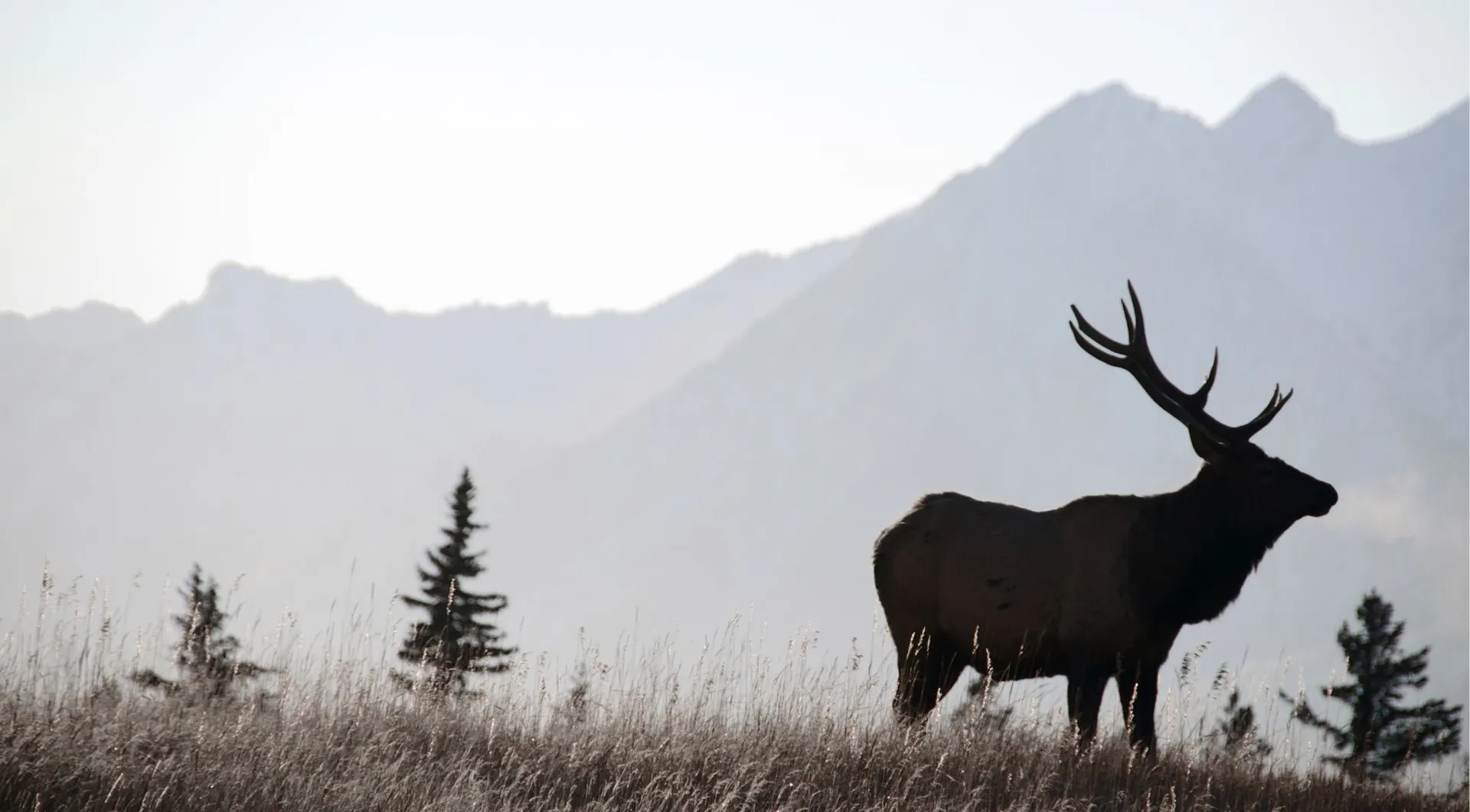
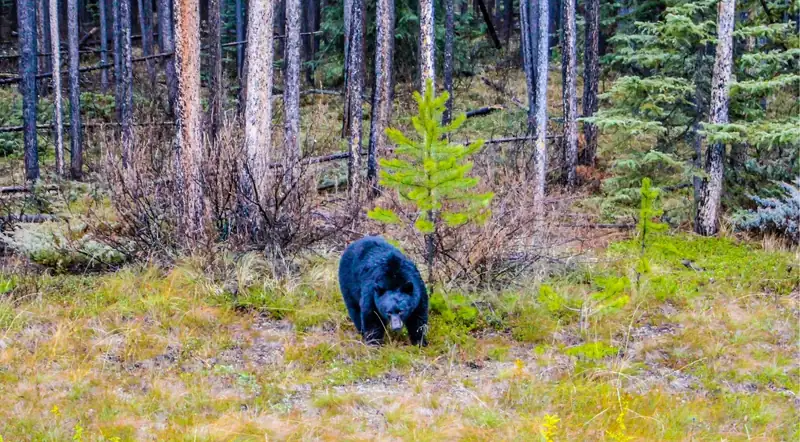
"It was great!! We saw big horn sheep, black bear and cubs, deer, and elk! Our guide Ed was great!"United States · June 2026 · Evening Safari
Free cancellation on most tours
Hotel pickup in Banff
- 53–56Mammal species in the park
- ~65Grizzly bears (Parks Canada)
- Spring & FallBest seasons for wildlife
- 30–100 mLegal distance from wildlife
- 6,641 km²Rocky Mountain wilderness
Why a Guided Safari Beats Driving Yourself for Banff Wildlife in 2026
For most first-time visitors, yes — especially if seeing animals is high on your list. Many people spot elk or bighorn sheep on their own, but bears, moose and wolves are far harder to find without local knowledge. A good guide knows the wildlife corridors, times the trip for when animals feed, and keeps you at legal, safe distances — turning "we saw something far off" into a proper sighting.
Banff holds 53–56 mammal species across 6,641 km² of Rockies, but it is a Canadian wildlife tour, not an African game park: sightings are quick and never guaranteed. Go at dawn or dusk, choose spring for bears or fall for the elk rut, and treat the mountain scenery as the part that's always worth it. If a quick scenic drive is all you want, skip the tour — but if wildlife is your priority, a guided safari tilts the odds in your favour.
Why book a guided safari
- Expert spotters who share daily sighting intel
- Trips timed for dawn or dusk, when animals feed
- Panoramic-window vehicles and binoculars provided
- Safe, legal distances kept at all times
- No driving while you scan the slopes for wildlife
What a Banff safari usually includes
- Small-group tour (12–24 guests)
- Certified local guide and interpretation
- Hotel pickup and drop-off in Banff (most tours)
- Binoculars or spotting scopes
- Free cancellation up to 24 hours (most tours)
Banff Evening Wildlife Safari: Two Hours at Dusk, When the Animals Move
From a Banff townsite pickup into the Bow Valley at dusk — elk, deer and bighorn sheep in soft evening light, on the most-reviewed safari in town.
Best Banff evening safari
Evening departures
Best Banff evening safari
Banff: Evening Wildlife Safari Guided Tour
Why we recommend it: a two-hour evening run timed for dusk, led by a certified guide in a small group of up to 24 — the simplest way to catch Banff's wildlife at its most active, and the most-reviewed safari on this page.
Travel scenic mountain roads as the light turns gold, with a local guide who shares how Banff's animals live and how the park protects them. Sightings are never guaranteed, but dusk is when elk, deer and bighorn sheep are most likely to be out feeding in the Bow Valley.
- Certified local guide
- Small group, up to 24 guests
- Hands-on interpretive tools
- Scenic Bow Valley route at dusk
No pickup selected? Meet at the public bus parking behind the Mount Royal Hotel.
Check availability & prices
Most-reviewed safari in Banff. Secure booking via GetYourGuide.
How a Banff Wildlife Safari Works: 5 Stages From Pickup to the Last Sighting
From a Banff hotel pickup through the Bow Valley and the Lake Minnewanka loop to drop-off — what your guide does, stop by stop.
Hotel pickup or meet in town
Most tours collect you from select Banff hotels or the public bus parking behind the Mount Royal Hotel. Be ready about five minutes early — pickup times vary by hotel and season, and late arrivals can't always be held.
Into the wildlife corridors
Your guide heads for the routes where animals actually feed — the Bow Valley Parkway, the Lake Minnewanka and Two Jack Lake loop, and Vermilion Lakes — rather than driving aimlessly and hoping.
Spotting, stopping and binoculars
Guides use the day's sighting reports, shared between operators, to find recent activity. When you stop, you keep legal distances — 30 metres from elk and sheep, 100 metres from bears — and use binoculars or a scope for a proper look.
Scenery and stories between sightings
Wildlife comes in bursts, so the quiet stretches fill with viewpoints like Surprise Corner and Two Jack Lake, plus interpretation on the park's ecology, history and the wildlife-crossing network that cut collisions by more than 80%.
Golden-hour finish and drop-off
The last light of the trip is often the best for animal activity. After roughly two to three hours, your guide returns you to your hotel or the central meeting point in Banff.
Other Banff & Canadian Rockies Experiences
Many visitors combine a wildlife safari with other highlights from the same region.
A Banff wildlife safari pairs naturally with the rest of the Canadian Rockies: a sunrise drive to Moraine Lake or Lake Louise, a walk through Johnston Canyon, a boat cruise on Lake Minnewanka, a day up the Icefields Parkway to the Columbia Icefield, or a wildlife-focused hike out of Canmore. The live options below update automatically for available experiences in and around Banff National Park, Jasper, and the Bow Valley.
The Banff Wildlife Safari We Recommend First
Radventures' premium small-group tour — a maximum of 12 guests, panoramic windows, and wildlife spotted on about 95% of trips.
Best Banff wildlife tour · 95% sightings
Free cancellation
Best Banff wildlife tour · 95% sightings
Banff Highlights & Wildlife: Award-Winning Small Group Tour
Why we recommend it: the smallest group on this page (max 12), a panoramic-window vehicle, hotel pickup, and an itinerary re-routed daily on recent sightings — wildlife is spotted on about 95% of departures.
Your guide builds each day's route around recent wildlife reports and the weather, travelling through known corridors toward Lake Minnewanka, Two Jack Lake, Bow Falls, Surprise Corner and the Hoodoos. With only a dozen guests, everyone gets a window and time to ask questions.
- Local guides and panoramic-window vehicle
- Hotel pickup and drop-off in Banff
- Small group, maximum 12 guests
- Hot drinks and local treats (November–April)
Recommended for ages 12+. Pickup from select Banff hotels and the train station.
Check availability & prices
Free cancellation. Small group, 95% sightings. Secure booking via GetYourGuide.
Why a Guided Safari Beats Self-Driving: Spotters, Timing, Safety, No Wheel Time
Daily sighting intel, dawn-and-dusk timing, legal distances and panoramic windows — four things a rental car can't give you.
You can absolutely see wildlife on your own — but most visitors underestimate how hard animals are to spot from a moving car. Here is what changes when an expert is doing the looking.
Local knowledge
Expert spotters and daily intel
Guides share sighting reports across operators, so they often know which corridor a grizzly was feeding in that morning. Years of experience reading animal behaviour turn a blur on a hillside into a confirmed bighorn ram.
Right time of day
Timed for when animals move
Safaris run at dawn or dusk, when wildlife is most active. Midday — especially in summer heat — is the least productive window, which is exactly when most self-drivers are out looking.
Safe and ethical
Legal, respectful distances
Guides keep 30 metres from elk, deer and sheep and 100 metres from bears, and never feed or crowd animals. No risky roadside "bear jams," and no fines — just a calm, safe view.
Relaxed and inclusive
You watch, the guide drives
Panoramic windows and provided binoculars mean every passenger scans the slopes instead of the road. It's a relaxed, family- and senior-friendly way to spend a morning or evening.
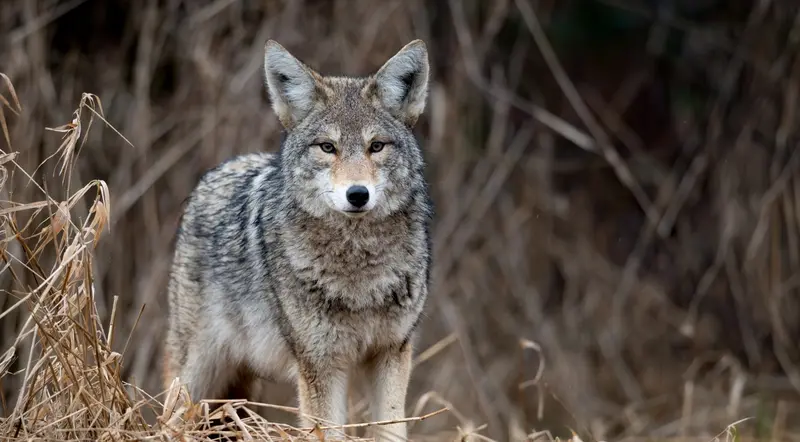
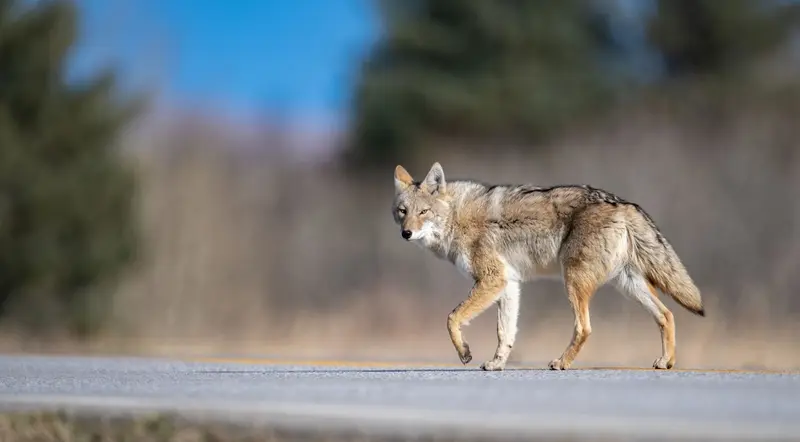
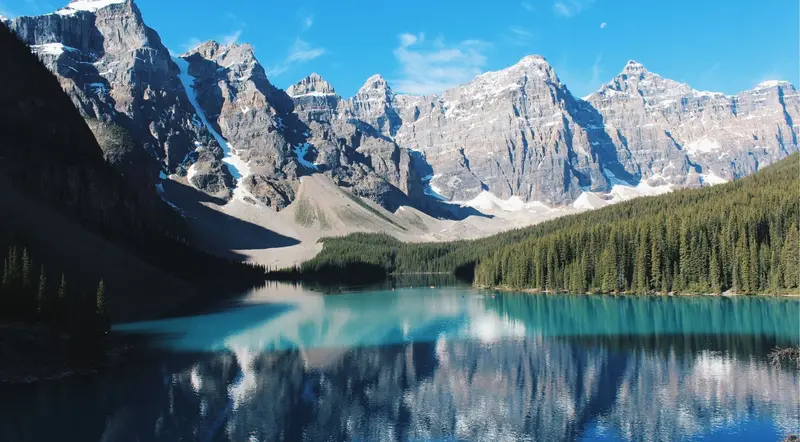
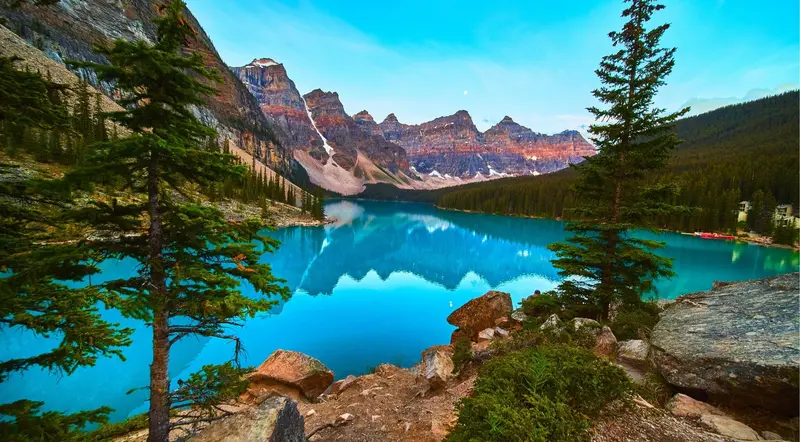
Wildlife and Scenery You Might See on a Banff Safari
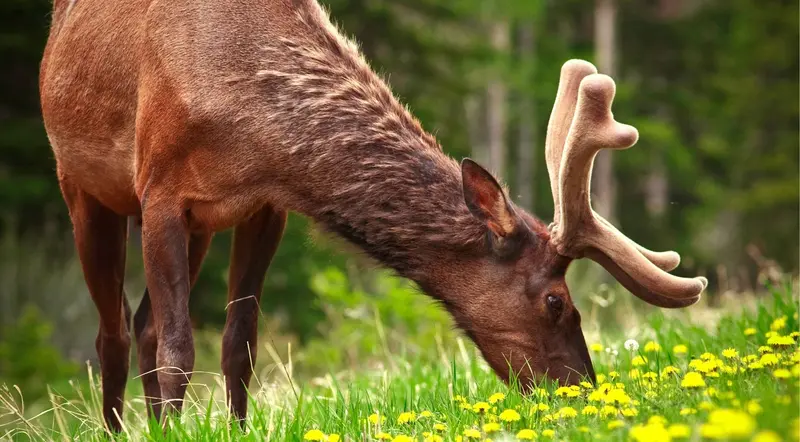
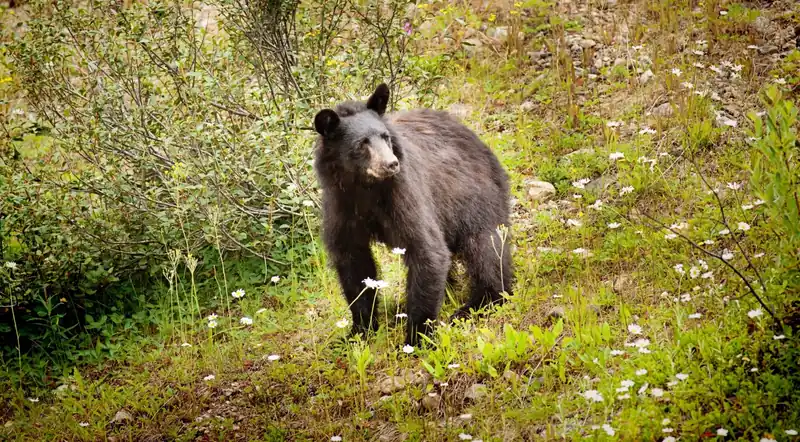
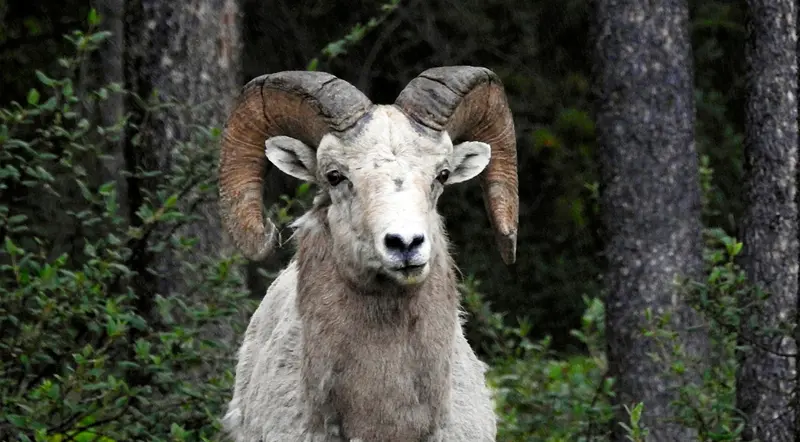
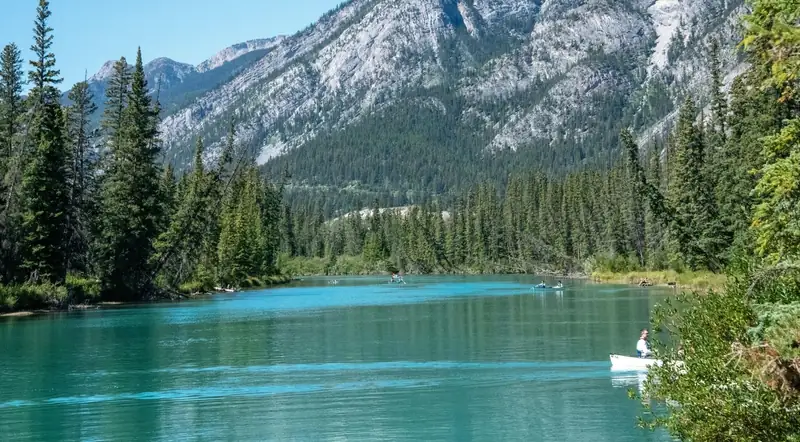
Elk, bears, bighorn sheep, wolves and the turquoise lakes of the Canadian Rockies. Scroll or drag to browse.
Banff Wildlife & Sightseeing Minibus Tour: The Easy Morning Option
Bow Falls, Surprise Corner, Lake Minnewanka and Tunnel Mountain Drive — wildlife spotting plus Banff's classic viewpoints, from $63.
Best-value Banff tour · family-friendly
Free cancellation
Best-value Banff tour · family-friendly
Banff: Wildlife and Sightseeing Minibus Tour
Why we recommend it: the most affordable pick on this page and the most family-friendly — a morning loop of Banff's headline viewpoints with wildlife watched along the way, plus maple cookies and a hot drink. It holds the highest rating of our three picks.
This is the easy introduction to Banff: Bow Falls, Surprise Corner, Lake Minnewanka and Tunnel Mountain Drive, with a local guide sharing the stories behind the views. Keep an eye out for elk, deer and bighorn sheep between the scenic stops.
- Guided minibus tour, up to 24 guests
- Hotel pickup and drop-off in Banff (on request)
- Maple cookies and a beverage
- Banff's iconic viewpoints in one morning
Morning pickups from around 7:55am across Banff hotels.
Check availability & prices
Best-value family-friendly option. Secure booking via GetYourGuide.
What's Included on a Banff Wildlife Safari — and What to Bring Yourself
Guide, transport, binoculars and pickup are usually covered; the park pass, gratuities and a telephoto lens are on you.
Usually included
- Certified local guide and interpretation
- Small-group tour (12–24 guests)
- Hotel pickup and drop-off in Banff (most tours)
- Panoramic-window vehicle or minibus
- Binoculars or spotting scopes
- Hot drinks and treats on some winter tours
- Free cancellation up to 24 hours or 3 days (most tours)
Not included / bring your own
- Park entry pass (covers admission only, around $11–12 a day)
- Guide gratuities (appreciated, not mandatory)
- A telephoto lens (300–600 mm) for wildlife photos
- Warm layers — nights are cold even in July
- Your own refillable water bottle
- Guaranteed sightings — no operator can promise them
What Separates a Great Banff Wildlife Tour: Group Size, Timing, Guides, Honesty
Small groups, dawn-or-dusk departures, certified local guides and honest sighting claims — the four booking signals that matter most.
Banff has dozens of wildlife and sightseeing tours, and they are not all equal. Use these four signals to pick the one that fits your trip.
Signal 1
Small group (12–24 max)
Fewer guests means a window seat for everyone, quieter approaches that don't spook animals, and time to actually ask your guide questions. Our top pick caps groups at 12.
Signal 2
Dawn or dusk departures
Sunrise and evening tours consistently out-perform midday ones, because that's when animals feed. If a tour runs in the middle of a summer afternoon, expect quieter slopes.
Signal 3
Certified local guides and gear
Look for experienced local guides, panoramic-window vehicles and provided binoculars or scopes. Knowledge of seasonal movements is what turns a drive into a safari.
Signal 4
Honest about sightings
A trustworthy operator quotes realistic odds — around 95% for some species — and never promises bears. Treat any "guaranteed grizzly" claim with real caution.
What Travellers Say After a Banff Wildlife Safari
Verbatim reviews from across our three featured Banff safaris.
"Great tour from Gareth, would definitely recommend. Whilst exactly what you see can't be guaranteed, we were really lucky and saw couple of bears, plus cubs! Also deer, elk, big horn goat (?), ground squirrels as well as a few lakes and sights of Banff."United Kingdom · May 2026 · Premium Tour
"Our guide, Buffy, was very enthusiastic and knowledgeable about the wildlife in the area. We learned a lot from her talks. The scenic stops were great with enough time at each to take pictures and learn about the features."United States · June 2026 · Minibus Tour
"Miranda did a wonderful job telling about the area and the animals! We got to see many bighorn sheep, whitetail deer, mule deer, and elk. We even saw some brand new baby elk!"United States · June 2026 · Evening Safari
Ratings reflect 940+ verified GetYourGuide reviews across the three featured Banff wildlife safaris as of June 2026. Live ratings and prices are shown in each booking widget above.
Banff Wildlife Safari Logistics: Timing, Pickup, Season, Packing, Kids, Park Pass
Duration, where you meet, the best months, what to bring, who can join, and the access rules — sorted before you book.
How long do they last?
Most wildlife safaris run two to three hours; the evening dusk safari is about two hours and the morning minibus tour around three. Full-day combos exist but the short dawn and dusk windows give the best wildlife odds.
Where do you meet?
Most tours include hotel pickup and drop-off in Banff, or a central meeting point such as the public bus parking behind the Mount Royal Hotel or the Banff Train Station. Be ready about five minutes before your pickup time.
When's the best time to go?
Spring (April–June) is best for bears; fall (September–October) for the elk rut; winter for bighorn sheep and deer near the roads. Whatever the season, choose a dawn or dusk departure over midday.
What should you bring?
Warm layers (mountain nights are cold even in July), sturdy footwear, sunglasses, sunscreen and a refillable water bottle. Bring binoculars or a telephoto lens if you have one — animals are often hundreds of metres away.
Are they family-friendly?
Minibus and evening safaris welcome families and often have child pricing. Some premium small-group tours set a minimum age of 12. Keep children within arm's reach near wildlife, as elk can be aggressive in calving and rutting season.
Do you need a park pass or a car?
You don't need a car — pickup is included — but the park requires an entry pass (about $11–12 a day), which a tour does not cover. Note that private cars are banned from Moraine Lake; shuttles or tours are the only way in.
What Could Disappoint You on a Banff Safari? 8 Honest Caveats Before You Book
No-guarantee wildlife, weather, photography limits and the real day cost — what we wish more sites said up front.
No one can guarantee bears
This is the biggest misconception. Wildlife moves freely, so no operator can promise bears — or any specific animal. Strong guides have great success rates, but if a company advertises guaranteed grizzly sightings, treat that claim with caution.
Every safari is different
One morning a group sees two black bears, a grizzly, elk and coyotes; the next, another group sees only elk and sheep. That variability is simply how wildlife viewing works — book for the experience, not a checklist.
Midday is the weakest time
Animals are most active shortly after sunrise and around sunset. A midday summer tour is the least productive window, so pick a sunrise, early-morning or evening departure if your schedule allows.
Phone cameras rarely cut it
Even on a great safari, animals may be hundreds of metres away. A phone usually isn't enough — a 300–600 mm telephoto lens or a good pair of binoculars makes the difference. If photography is your priority, choose a photo-focused tour.
The park pass is extra
Your tour price doesn't include the Parks Canada entry pass (about $11–12 per adult per day). Gratuities and any food beyond the included snacks are also on top, so budget a little above the headline price.
Elk are genuinely dangerous
Elk are the animal most likely to injure visitors, especially during the spring calving (mid-May to early July) and the fall rut (late August to mid-October). Keep 30 metres away and follow your guide — never approach for a photo.
Mountain weather swings fast
Conditions change quickly and snow is possible at elevation in any month. Tours usually run rain or shine, so dress in warm layers; the scenery and quiet roads are rewarding even when the animals are shy.
Book ahead in peak season
From June to September, popular sunrise and evening tours sell out days or even weeks ahead. Outside peak season it's easier last-minute. Most tours offer free cancellation, so reserving early carries little risk.
Banff Wildlife Safari FAQs
The questions travellers ask most before booking a wildlife tour in Banff.
Will I definitely see wildlife on a Banff safari?
No. Banff's animals are wild, so sightings can never be guaranteed. A guided safari improves your chances because guides know the wildlife corridors and time the trip for dawn or dusk, but weather, season and animal movement all matter. Premium operators report wildlife on about 95% of departures.
What animals can you see in Banff?
Elk and bighorn sheep are the easiest large animals to spot, along with deer and coyotes. Banff has both black bears and grizzly bears, plus the chance of moose, mountain goats, bald eagles and ospreys. Wolves, cougars and lynx live in the park but are rarely seen. Our Banff wildlife tours guide ranks every sighting by how likely it really is.
Is a Banff wildlife safari worth it?
For most first-time visitors, yes. A guided safari significantly raises your odds of spotting animals compared with driving around on your own, and you learn about behaviour, ecology and conservation. If a quick scenic drive is all you want it may not be necessary, but if wildlife is a priority it is one of the best-value activities in Banff.
When is the best time of year for a Banff wildlife safari?
Spring (April to June) is strong for bears emerging from hibernation and feeding on the valley floor. Fall (September to October) brings the elk rut, when bull elk bugle and clash antlers. Winter is reliable for bighorn sheep and deer at lower elevations. Dawn and dusk are the best times of day in any season.
Can you see bears in Banff?
Yes, but bear sightings are never guaranteed. Banff is home to roughly 65 grizzly bears (Parks Canada) plus black bears. Spring and early summer are often better because bears feed at lower elevations after hibernation. Treat any operator advertising guaranteed bear sightings with caution — our bear watching in Banff guide explains what the "grizzly tours" really show you and where wild bears are actually seen.
Is a Banff wildlife tour safe?
Yes, when it follows Parks Canada rules. Guides keep the legal minimum distances of 30 metres from elk, deer, sheep and moose, and 100 metres from bears, wolves, cougars and coyotes. They never feed or approach animals and leave if wildlife appears stressed, which protects both visitors and the animals.
Are Banff wildlife safaris family-friendly?
Most are. Minibus and evening safaris welcome families and often offer child pricing. A few premium small-group tours set a minimum age of 12. Keep children within arm's reach near wildlife, as elk can be aggressive during the spring calving and fall rut.
Do I need a car for a Banff wildlife tour?
No. Most wildlife safaris include hotel pickup and drop-off in Banff, or a central meeting point, so you do not need to rent a car. Banff is about 90 minutes from Calgary International Airport via the Trans-Canada Highway, and shuttles run from the airport into town. In fact a car is increasingly a liability in peak season — our Banff tours guide covers day trips, shuttles and the Moraine Lake access rules.
Is Banff or Jasper better for wildlife?
Jasper is larger and quieter and can deliver more frequent wildlife encounters, especially moose in the Maligne Valley. Banff offers easier access from Calgary, more infrastructure, and the most iconic turquoise lakes. For a first Rockies trip focused on convenience and scenery, Banff is the easier base.
Should I book a Banff wildlife safari in advance?
During peak season (June to September), yes. Popular sunrise and evening tours often sell out several days or weeks ahead. Outside peak season, last-minute bookings are usually easier. Most tours offer free cancellation up to 24 hours or three days before, so booking early carries little risk. Our evening wildlife safari guide explains how dusk departure times shift by month so you book the right night.
Other Banff Wildlife Tours, From Sunrise Safaris to Sightseeing Combos
Not sure which timing suits your trip? Browse by the kind of experience you want.
Early risers
Morning & sunrise safaris
Dawn is prime time for wildlife and empty roads. Sunrise tours catch animals feeding before the crowds arrive, with the bonus of soft early light for photos.
See Banff sunrise & morning wildlife tours on GetYourGuide Check availability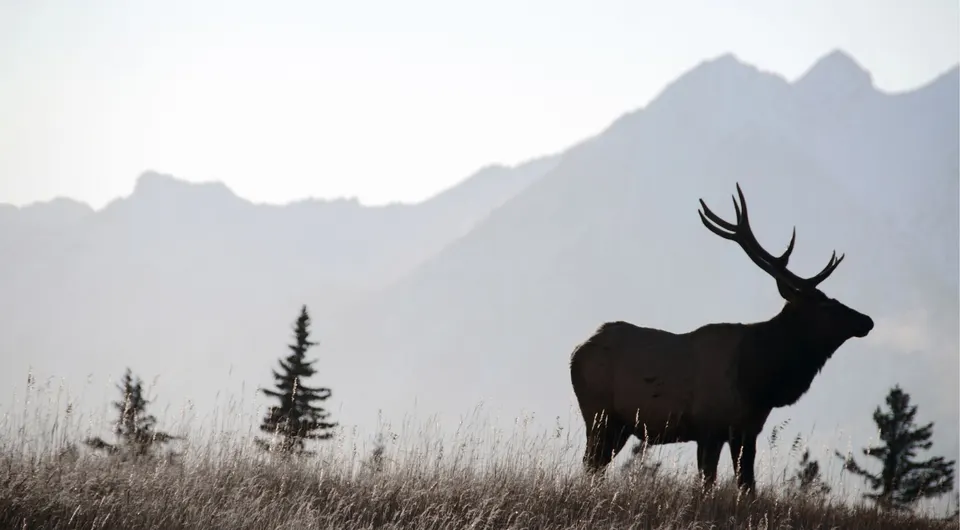 Golden hour
Evening & sunset safaris
Dusk safaris pair active wildlife with the day's best light over the Bow Valley. A relaxed way to end a day in Banff, usually around two hours.
See Banff evening & sunset wildlife tours on GetYourGuide Check availability
Two trips in one
Wildlife & sightseeing combos
Prefer scenery and wildlife together? Sightseeing tours hit Bow Falls, Lake Minnewanka and the famous viewpoints while watching for animals along the way.
See Banff wildlife & sightseeing tours on GetYourGuide Check availability
Compare everything
All Banff wildlife tours
Want to weigh up every option by price, timing, group size and rating? Browse the full list of Banff wildlife and safari tours and pick the one that fits.
Browse all Banff wildlife tours on GetYourGuide See all toursBanff Travel & Wildlife Guides: What to See and How to Book
Go deeper before you book — our long-form guides to Banff's wildlife tours, its bears, dusk safaris and day trips, plus the full things to do in Banff overview.
The complete guide
Banff wildlife tours
Which animals you'll realistically see, the four tour types explained, a season-by-season calendar, and how to book the right safari without wasting money.
Read the Banff wildlife tours guide Read the guide
Grizzly & black bear
Bear watching in Banff
What the "grizzly tours" actually show you, where wild bears are really seen, the feeding calendar that predicts them, and how to watch safely.
Read the Banff bear watching guide Read the guide Dusk tours explained
Evening wildlife safari
Why departure times slide with the sunset, what the two-hour route covers stop by stop, what you'll realistically see, and the best month to book.
Read the Banff evening safari guide Read the guide
Day trips, guided & private
Banff tours
Which Banff tour to actually book — day trips, guided and private options, plus the Moraine Lake access rules that reorganise a 2026 itinerary.
Read the Banff tours guide Read the guide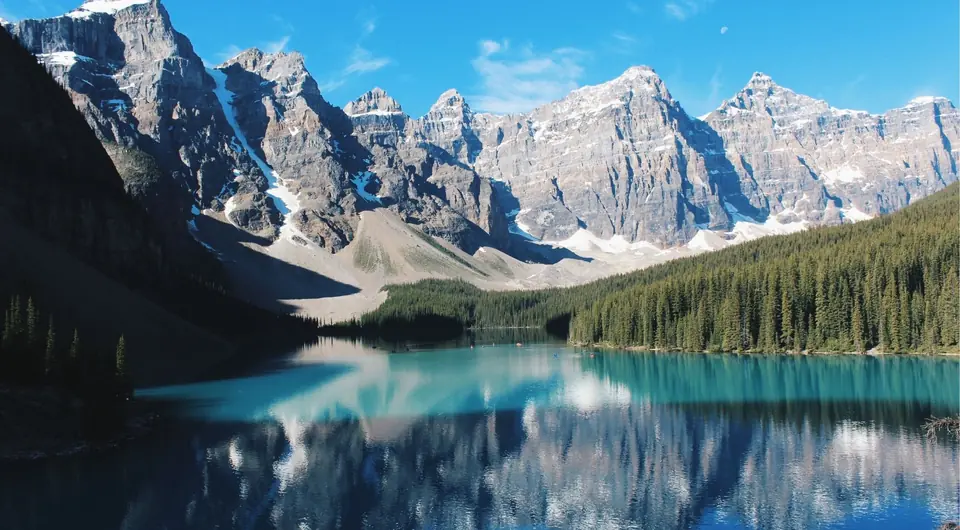 Month-by-month guide
Best time for Banff wildlife
Spring bears, the September elk rut, summer's long days — a month-by-month breakdown of what's active, how busy the park is, and when to book.
Read the guide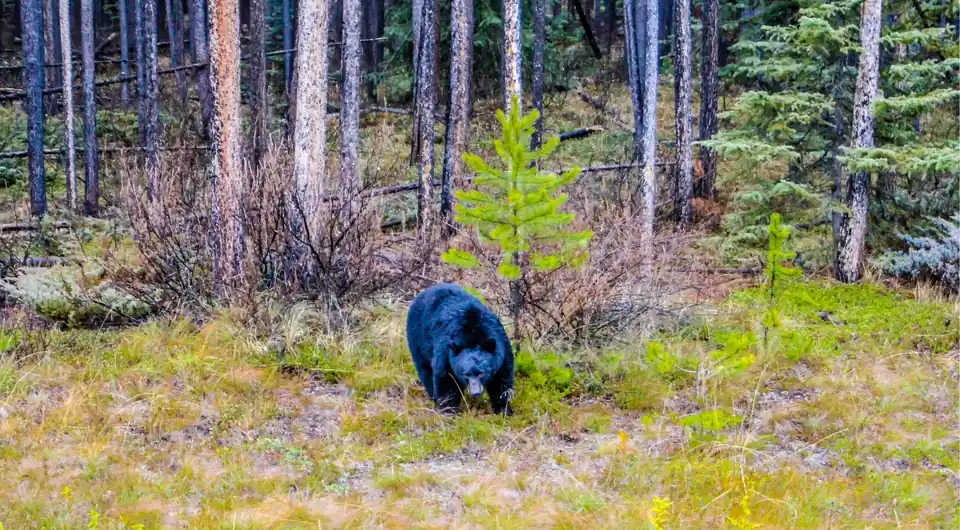 Black bears & grizzlies
Seeing bears in Banff
Honest odds, the feeding calendar that predicts sightings, where bears are actually found, and how to stack your chances safely.
Read the guide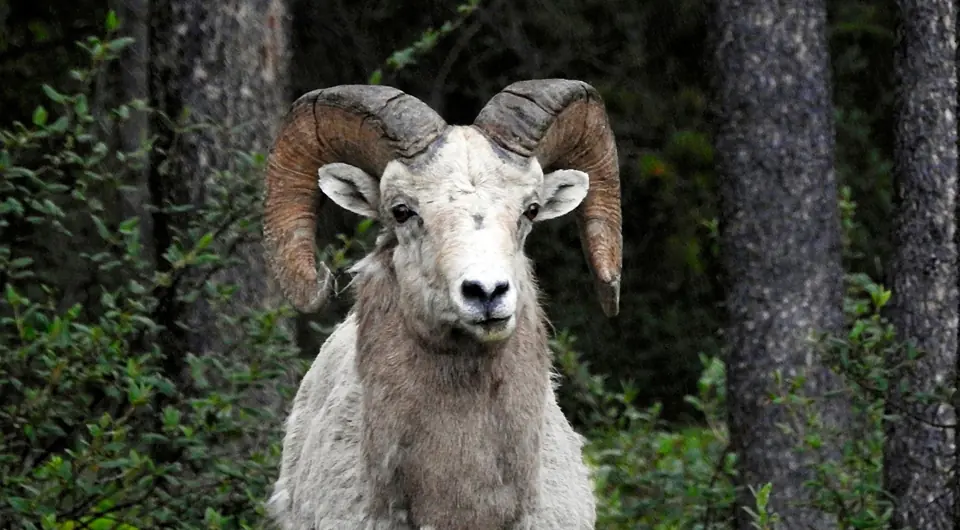 Honest verdict
Are Banff wildlife safaris worth it?
Who benefits most, what you actually get for the price, and when it's fine to skip the tour and drive yourself — the honest pros and cons.
Read the guide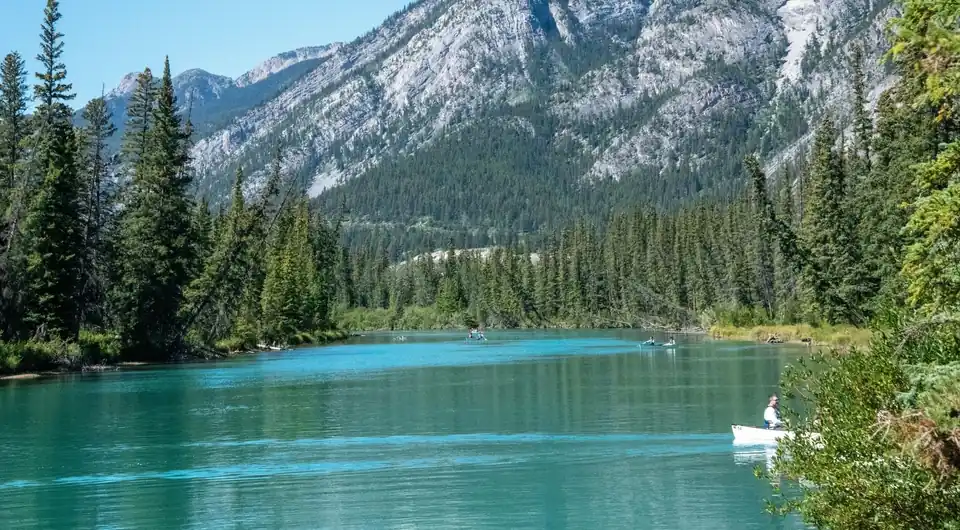 Which timing wins?
Banff sunrise vs evening safari
Light, wildlife activity, crowd levels and price compared side by side — which time of day gives you the best experience for your priorities.
Read the guide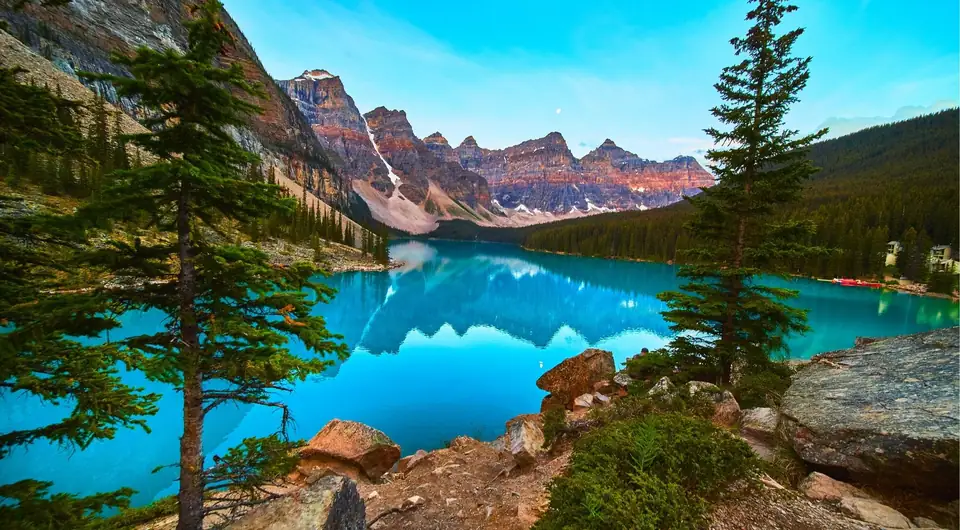 Park comparison
Banff vs Jasper for wildlife
Access, crowd levels, sighting frequency, species split — which park you should base your wildlife trip in depending on your priorities.
Read the guide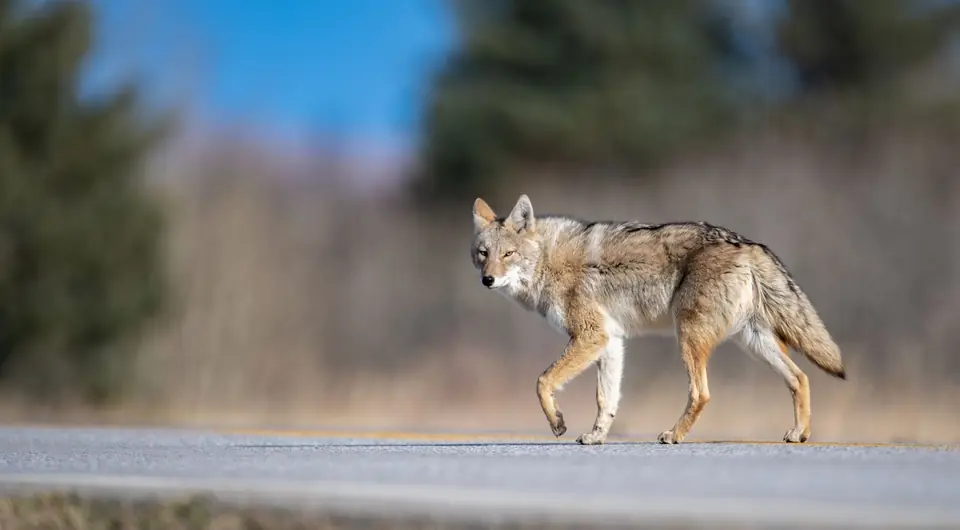 Honest comparison
Guided tour vs self-driving
Cost, wildlife odds, flexibility and effort compared — when a guide is worth every dollar and when driving yourself makes more sense.
Read the guide
Evening safari verdict
Is the evening wildlife safari worth it?
What the two-hour dusk tour covers, who it suits, and the cancellation policy point you should check before booking.
Read the guide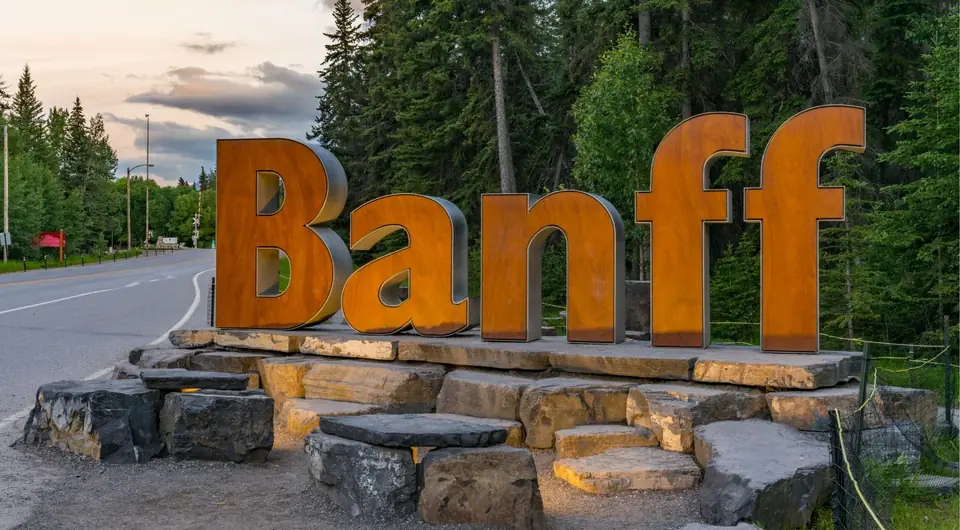 Families & all ages
Best Banff wildlife tour for families
Which tours welcome all ages, what keeps kids engaged, and the one pick that consistently works for families on a budget.
Read the guide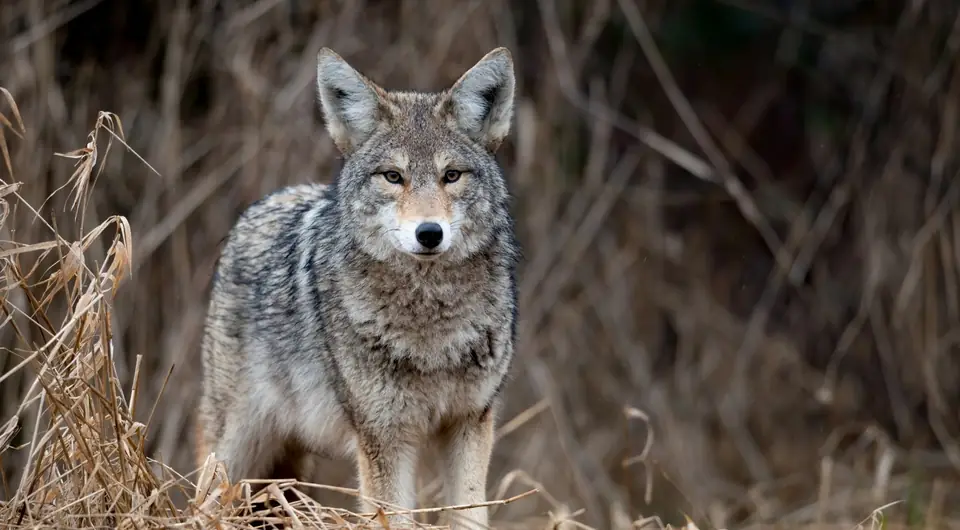 For photographers
Best Banff wildlife tour for photographers
The small-group tour that gives clear shooting angles, golden-hour timing, and no elbow-fighting for a window — plus what gear to bring.
Read the guide
Road-by-road guide
Best places to see wildlife in Banff
Where to park, what you'll see, and when to arrive — Vermilion Lakes, the Minnewanka Loop, the Bow Valley Parkway and every other wildlife drive in the park.
Read the guide
Shuttle & access rules
Moraine Lake: shuttle & access
You can't drive there anymore — how the shuttle, Roam Super Pass and licensed operators actually work, plus the grizzly group-of-four rule hikers need to know.
Read the guide
Banff's wildlife corner
Lake Minnewanka & Two Jack Lake
The most reliable bighorn sheep spot in the park, the cruise over a submerged ghost town, and the reflection lake everyone photographs.
Read the guide Costs & free-admission dates
Banff National Park pass
2026 pass costs, the free 19 June–7 September window, where to buy, and the fees people mistake for the park pass.
Read the guide
The complete overview
Things to do in Banff
Every iconic sight, activity type, season and itinerary length in one place — plus the two 2026 rule changes that reshape a trip before you book anything.
Read the guide
Species guide
Bighorn sheep of the Rockies
The 14kg horns, the November rut, why they stand in the road licking salt — and the five places in and beyond Banff where you can reliably find them.
Read the guide