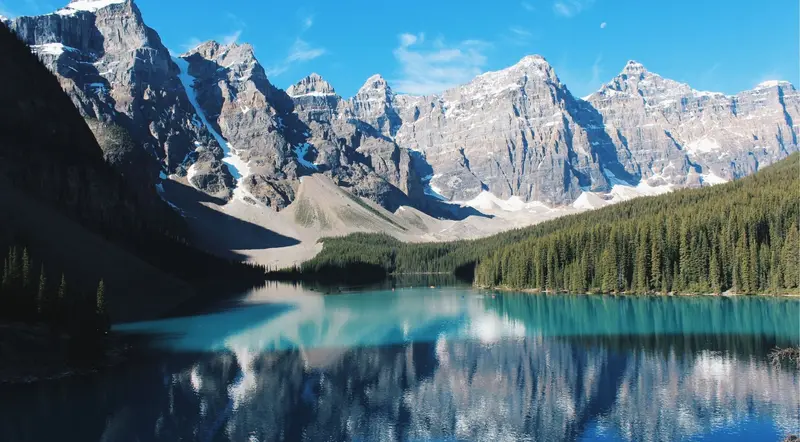
Turquoise Moraine Lake below the Valley of the Ten Peaks in Banff National Park
Best time to visit Banff · Wildlife calendar · 2026

Best Time to Visit Banff: Month-by-Month Wildlife Calendar

Banff has a best time for your trip, not one for everyone. Come July to early September for warm weather and open trails, May–June or September for bears and the elk rut, the last week of September for golden larches, and December to March for skiing.

12-month wildlife calendar Weather, crowds and key dates
  • SpringBest for bear viewing
  • SeptElk rut peaks
  • Apr–OctMain wildlife season
  • Dawn & duskBest daily window
  • Late SeptGolden larches at their best
The short answer · best months

When Is the Best Time to Visit Banff? Match the Month to What You Want to See

For turquoise lakes and warm weather, come from July to early September. For wildlife, come in May–June, when bears feed along the roadsides and elk calves appear, or in September, when the elk rut is on and bears are fattening up on berries. Both wildlife windows are quieter and cheaper than peak summer. For golden larches, aim for the last week of September; for skiing, December to March.

Check live availability and prices on GetYourGuide. Pоwered by GetYourGuide.

Whatever month you pick, go at dawn or dusk: animals are most active just after sunrise and around sunset, while midday is the quietest stretch. Summer has the longest days and lots of young animals but the biggest crowds, and winter trades variety for snowy scenery and roadside sheep and deer (see our guide to wildlife in Banff in winter). The locals' tip: September is the most underrated month — rut, larches and lower rates all at once.

See the month-by-month guide

Worth adding to your itinerary

Other Banff & Canadian Rockies Experiences

Many visitors combine a wildlife safari with other highlights from the same region.

Whatever month you visit, Banff and the broader Canadian Rockies reward more than one experience: see grizzly bears and elk on a guided safari, catch sunrise at Moraine Lake or Lake Louise, walk the slot canyon at Johnston Canyon, cruise on Lake Minnewanka, or drive the Icefields Parkway to the Columbia Icefield. The live options below update automatically for available experiences across Banff National Park and the Bow Valley.

Colder than most visitors expect

First, Set Your Expectations on Weather

Banff is colder and snowier than most visitors expect. The townsite sits at 1,383 metres, it can snow in any month, and summer nights routinely drop close to freezing. On average the frost-free stretch runs only from about early June to early September.

MonthAverage highAverage low
January−3.5°C−13.5°C
February−0.5°C−12.6°C
March3.7°C−8.2°C
April9.0°C−3.5°C
May14.3°C0.5°C
June17.9°C4.4°C
July22.5°C6.8°C
August22.1°C5.8°C
September16.7°C2.2°C
October9.1°C−2.4°C
November0.6°C−8.2°C
December−4.6°C−13.4°C

Environment and Climate Change Canada climate normals for the Banff station, 1991–2020. Daily highs and lows averaged over 30 years; any single day can be far colder or warmer.

Two things visitors underestimate: even July can bring a morning near freezing, and June is the wettest month. Pack a warm layer whatever the season, and do the big drives and viewpoints early in the day to stay ahead of afternoon thunderstorms.

Daylight swings a long way too: about 16 hours 39 minutes on the June solstice, and under 8 hours at midwinter.

Tap a month to see what's about

The Banff Wildlife Calendar, January to December

Months are colour-coded for wildlife viewing — Best, Good or Low — with the season's highlights and a six-point stat strip for each.

This is where a wildlife trip is won or lost. Animals are most active at dawn and dusk, and most reliably seen along the Bow Valley Parkway, Vermilion Lakes Drive, the Lake Minnewanka loop and the Icefields Parkway. Keep 100 metres from bears and wolves, and 30 metres from elk, sheep and deer.

Best Good Low
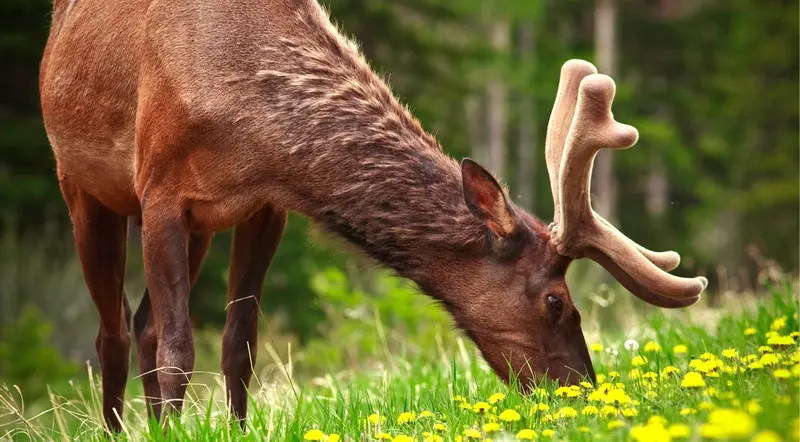
A bull elk grazing in a green Banff meadow in June

June

Best month overall for wildlife

  • Calving continues into early July, so cow elk stay aggressive: give them a wide berth in the townsite.
  • Bears keep feeding along the roadsides as the green-up climbs the slopes.
  • Wildflowers bloom, birds nest, and 16-hour days give long dawn and dusk windows.
  • High-alpine lakes may still be partly frozen early in the month.
  • SeasonLate spring
  • Daylight~16.5 hrs
  • Top wildlifeBears, elk calves
  • Bear activityActive, low elevation
  • CrowdsBuilding
  • RatingBest month overall
Pick the animal, then the month

If You Want to See This Animal, Come in These Months

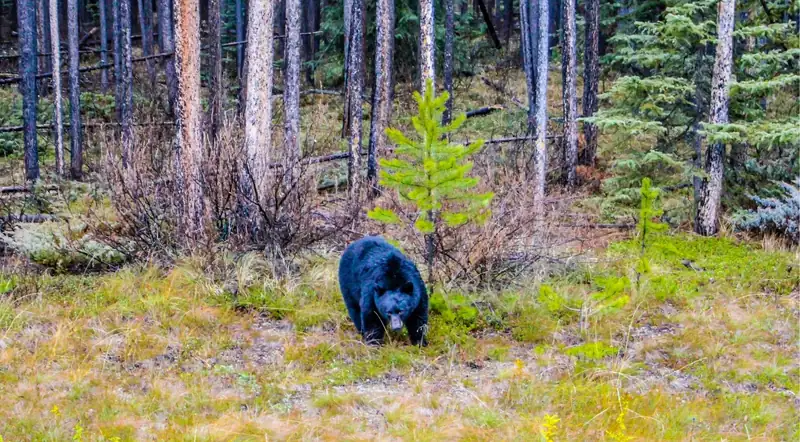
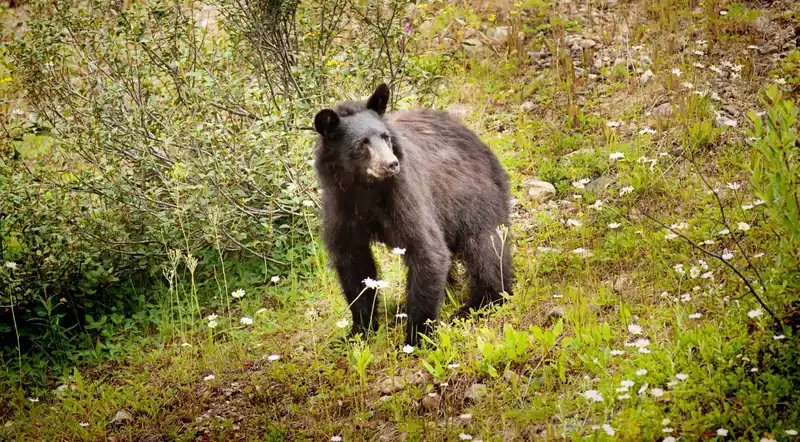
  • Grizzly and black bears: May–June, when the roadside green-up draws them down, and mid-July to September, when they feed on buffaloberries.
  • Elk rut (bugling and sparring): mid-to-late September into early October.
  • Elk calves and other baby animals: mid-May to June.
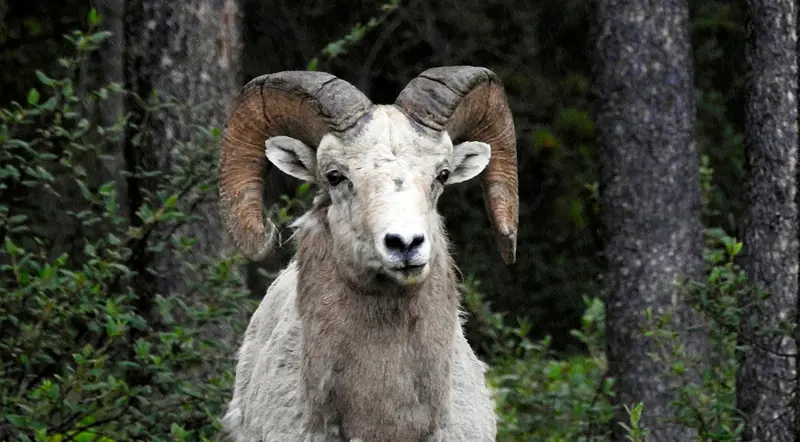
  • Bighorn sheep rut (head-butting): November into December.
  • Wolves: winter (December–March), on frozen lakes and in the valley corridors.
  • Moose: the hardest to predict. Try Vermilion Lakes and the Icefields Parkway corridor, often in spring and fall.
  • Birds: spring migration (late April–May) and early-summer nesting; more than 300 species have been recorded in the park.

For the species detail behind these windows, see our bear watching guide and bighorn sheep guide.

Lakes, larches, skiing and value

Best Time for Everything Else

  • Turquoise lakes: mid-June to September, once they're ice-free and fed by glacier melt. Moraine Lake Road is open only from 1 June to 12 October in 2026, and only to shuttles, tours and bikes; see our Moraine Lake guide.
  • High-alpine hiking: July to mid-September, when the passes are snow-free.
  • Golden larches: from mid-September into early October, usually at their best in the last week of September.
  • Skiing: December to March for reliable conditions; the season runs from mid-November to May.
  • Fewer crowds: late April to May and October to November; midweek beats weekends.
  • Lowest prices: November and the April–May shoulder season.
  • Northern lights: winter, for the longest, darkest nights.
  • Warmest, most settled weather: July and August, although afternoon thunderstorms are common.

For where to stand once you're there, see our Banff photography spots guide.

Canada's busiest national park

Crowds Through the Year

Banff is Canada's busiest national park, with a record of more than 4.5 million visitors in 2025–26. July and August are the busiest months, and August 2025 set a monthly record of almost 786,000 visits; the townsite is regularly congested through both. Larch weekends in late September and the December holidays also spike. November and midweek shoulder-season days are the quietest.

Two factors were specific to 2026. The Canada Strong Pass waived park admission from 19 June to 7 September, adding to crowds that were already at their peak. And Moraine Lake stays closed to private cars, so plan your transport in advance. Our park pass guide has the current fees.

April, May, June, July and spring

The Months People Ask About Most

Banff in April

Late winter turning to spring. Snow is melting in the valley, big snowfalls are still possible and the ski resorts are winding down. Bears are emerging, and it's quiet and cheap. Good for value and roadside wildlife, not for high hiking or turquoise lakes.

Banff in May

The shoulder-season sweet spot for wildlife: peak roadside bears, the start of elk calving and migrating birds. Valley trails open, lakes may still be partly frozen and the high country is snowbound. Quieter and cheaper than summer.

Banff in June

The switch to summer. Long days, lush green and waterfalls at full force, but June is the wettest month and alpine trails may not clear until late in it. Moraine Lake Road opens on 1 June, and the lake reaches full turquoise in mid-to-late June. Crowds and prices climb fast.

Banff in July

Peak everything: the warmest weather, all trails and lakes open, the longest days. Also the busiest and priciest month, so reserve shuttle seats ahead. Buffaloberry season starts mid-month and brings bears to the roadsides. In 2026, admission was free all month under the Canada Strong Pass.

Banff in spring (April–May)

Melting snow, fewer people, lower prices and superb roadside wildlife, but limited high-country access and unpredictable weather. Pack for winter and summer both.

Match the month to your priority

Which Month Suits Your Trip

  • A first visit where you want to see it all: July to early September. Everything is open, the lakes are turquoise and the weather is warm. Expect crowds and book months ahead. If you can choose, early September beats July: nearly as much is open, there are far fewer people, and you get the elk rut and the first larches.
  • A wildlife-first visit: May–June for roadside bears, elk calves and spring migration, or mid-to-late September for the rut and grizzlies feeding on berries. Both windows also bring fewer crowds and lower prices.
  • Value and quiet: late April to May, or October to November.
  • Winter sports and northern lights: December to March.
  • Golden larches: the last week of September.

If your dates are already fixed, something is happening in every month: the calendar above shows what to look for in yours.

Packing and the dates that matter

Practical Notes

Pack for winter in any season: layers, waterproofs, warm morning gear even in July, and microspikes for high trails in late September.

Plan around the dates that control access: Moraine Lake Road from 1 June to 12 October (2026); high alpine trails reliably snow-free only from mid-July; larches at their best from mid-September into early October; the ski season from mid-November to May; and the group-of-four hiking rule that Parks Canada often applies on bear-core trails around Moraine Lake, usually from mid-July to mid-October.

If your dates fall in peak summer, move the big sights (Moraine Lake, the Icefields Parkway) to early morning to stay ahead of both the crowds and the afternoon storms.

Best timing, any season · Evening pick

Whatever Month You Pick, Go at Dusk

The evening safari times your trip for the most active window of the day — a two-hour run into the Bow Valley as the light turns gold.

Best Banff evening safari Evening departures
Best Banff evening safari

Banff: Evening Wildlife Safari Guided Tour

★ 4.0 (642 reviews) ~2 hours Hotel pickup

Why we recommend it: dusk is when elk, deer and bighorn sheep are most likely to be feeding, so a two-hour evening run with a certified guide and a small group is the simplest way to hit the best daily window — in any month it runs.

Travel scenic mountain roads as the light turns gold, with a local guide who shares how Banff's animals live through the seasons. Sightings are never guaranteed, but the evening timing stacks the odds in your favour.

  • Certified local guide
  • Small group, up to 24 guests
  • Scenic Bow Valley route at dusk
  • Hands-on interpretive tools
Check availability & prices

Hotel pickup in Banff available. Secure booking via GetYourGuide.

Common questions

Best Time for Banff Wildlife: FAQs

The seasonal questions travellers ask most before booking.

What is the best time to visit Banff?

It depends on your priority. July to early September for warm weather and full access; May to June or September for wildlife; late September for larches; December to March for skiing. For the best all-round balance, early-to-mid September is the strongest single choice.

What is the best month for wildlife in Banff?

June and September are the two standout months. June offers the easiest bear viewing of the year plus newborn elk calves and very long daylight. September brings the dramatic elk rut, bears feeding on berries, golden larches and fewer crowds. May and early October are close behind.

What's the best time to see wildlife in Banff?

May to June for roadside bears, elk calves and spring migration; mid-to-late September for the elk rut and grizzlies feeding on berries; winter for wolves; November to December for the bighorn sheep rut.

When is the best time to see bears in Banff?

Spring and early summer — roughly May to June — are best, because bears emerge from hibernation and feed on the valley floor at lower elevations where they're easier to spot. Mid-July to September is also strong, as bears feed heavily on buffaloberries before winter. Sightings are never guaranteed.

When do bears come out in Banff?

Large males emerge in mid-to-late March, females without cubs by late April, and females with cubs into early May. The best bear viewing is May to June and mid-July to September.

When is the elk rut in Banff?

Rutting behaviour can start in late August and run to mid-October, but the main show is mid-to-late September into early October, when bulls bugle, spar and gather harems. It's dramatic but dangerous: elk are especially aggressive during the rut, so stay at least 30 metres back.

What is the best time of day for a Banff wildlife safari?

Dawn and dusk, in every season. Animals are most active shortly after sunrise and around sunset, while midday — especially in summer — is the least productive window. Choose a sunrise, early-morning or evening safari for the best odds.

Is winter a good time for wildlife in Banff?

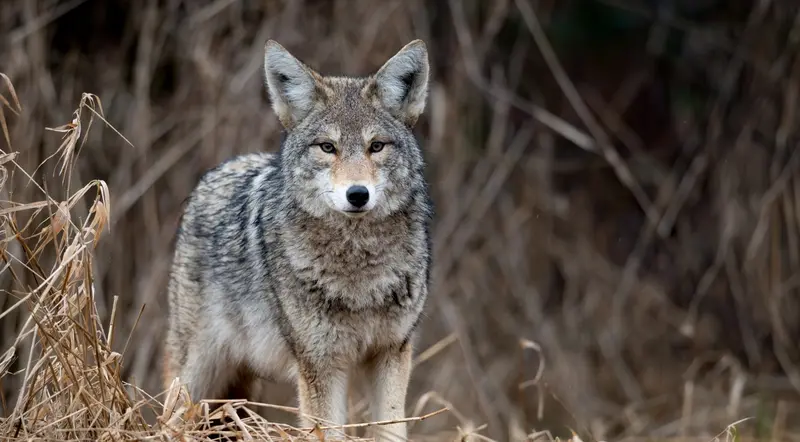
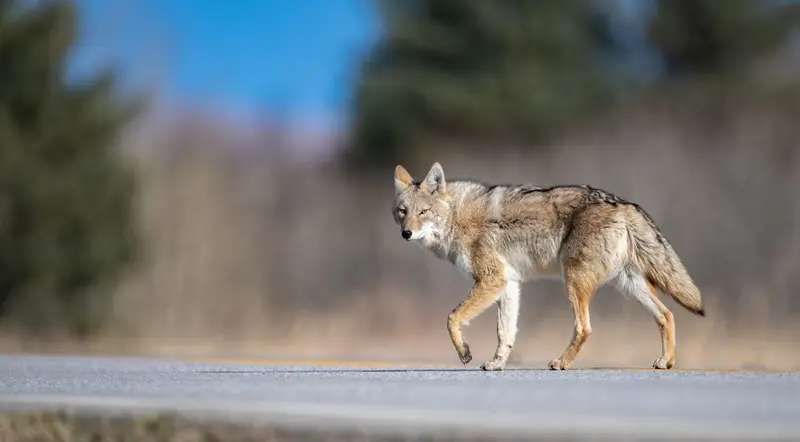
Winter is quieter for variety — bears are hibernating — but bighorn sheep, deer and coyotes come down to lower elevations near the roads, and wolves sometimes track elk across the snow. It's the best season for snowy scenery and the lowest crowds and rates, and several winter wildlife tours run year-round.

What is the most underrated month to visit Banff for wildlife?

September. You get the elk rut, bears feeding before winter, golden larches from mid-month, noticeably fewer crowds than summer, and lodging rates roughly 30 to 50% lower. For wildlife plus value, it's hard to beat.

Is July a good time to visit Banff?

Yes for warmth and full access: everything is open and the lakes are vivid. But it's the busiest and most expensive month, and in 2026 the free-admission window under the Canada Strong Pass added to the crowds. Book ahead and start early.

When is larch season in Banff?

From mid-September into early October, usually at its best in the last week of September. It's a short window of two to three weeks, and weekends get very busy.

When is the cheapest time to visit Banff?

November and the April to May spring shoulder season are generally the cheapest, with the thinnest crowds.

Does it snow in summer in Banff?

It can. At 1,383 metres, snow is possible in any month, and summer nights often drop close to freezing. Always pack a warm layer.

Picked your month?

Time It Right and Let a Guide Do the Spotting

Whatever season you choose, sightings are never guaranteed — but the right month, a dawn or dusk start, and local knowledge make a real difference. Book a guided Banff safari for the best-informed chance of seeing wildlife. For bears, aim for May–June or September; for the rut, mid-to-late September.

  • Spring for bears, fall for the elk rut
  • Dawn and dusk departures, every season
  • Free cancellation on most tours — book with confidence
Check Wildlife Safari Availability

We may earn a commission from bookings made through our links, at no extra cost to you. See our affiliate disclosure. Not sure which tour suits you? Start with our wildlife tours overview.